Literacy Is More Than Learning to Read
When people hear the word literacy, they usually think about books, letters, and learning to read. Those things are certainly important, but literacy actually begins long before a child reads their first word.
As a pediatric occupational therapist, I often remind parents that reading is not just a language skill. It is a developmental skill. Every time a child plays in a playground, builds with blocks, colors a picture, listens to a story, sings a song, or has a conversation at the dinner table, they are building the foundation for literacy.
Research continues to show that children who enter kindergarten ready to learn are much more likely to become proficient readers by third grade. That matters because third grade reading proficiency is one of the strongest predictors of future academic success, high school graduation, and even long term health and economic outcomes. In fact, children who are not reading proficiently by the end of third grade are about four times more likely to leave high school without a diploma than proficient readers. Kindergarten readiness is not just about the first day of school. It is one of the earliest indicators of a child's future success.
So what does literacy really require?
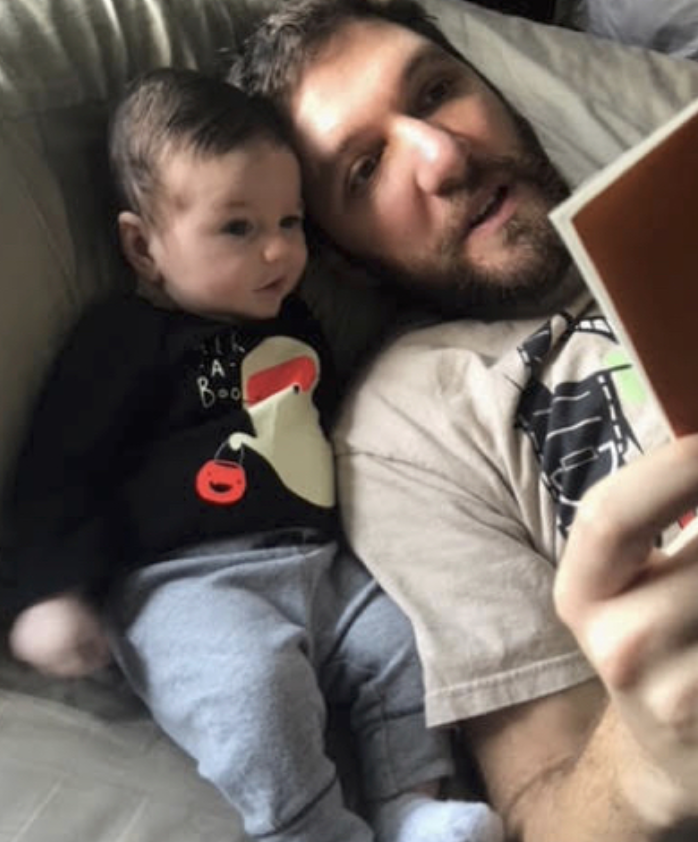
It starts with language. Children need rich conversations, storytelling, songs, and daily reading experiences to build vocabulary and comprehension. Reading aloud is one of the simplest and most powerful things families can do. Research from Ohio State University found that children who are read just one picture book each day hear approximately 290,000 more words by age five than children who are rarely read to. Those shared reading experiences strengthen vocabulary, comprehension, and a lifelong love of books.
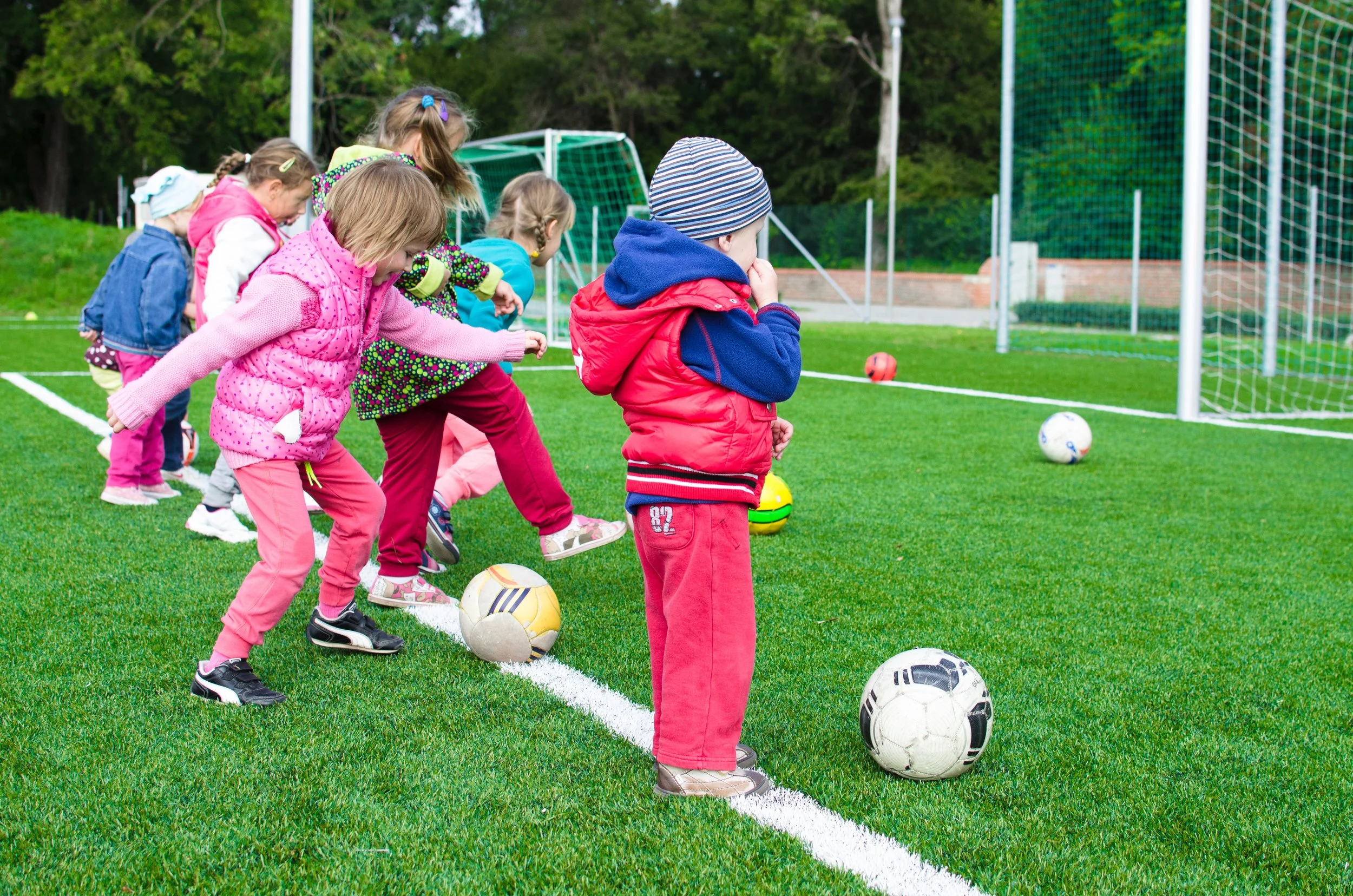
Literacy also depends on movement.
Children develop strong reading and writing skills through active play. Crawling, climbing, balancing, throwing, and jumping strengthen the core muscles, coordination, and postural control needed to sit upright, focus, and write. Fine motor skills developed through puzzles, Play Doh, scissors, tweezers, beads, coloring, and building activities prepare the small muscles of the hands for handwriting. Before children can write letters, they first need strong hands capable of holding and manipulating a pencil.
Visual skills are another important piece of the puzzle. Children must learn to track across a page, recognize shapes and patterns, notice differences between letters, and coordinate what they see with how they move their hands. These visual perceptual skills grow through drawing, matching games, block play, and exploring the world around them. Even crawling helps to develop visual skills as children move their arms and legs rhythmically, they are strengthening the corpus callosum, the part of the brain that connects the two sides together.
Children also need opportunities to develop letter recognition, phonological awareness, and print awareness. They learn these skills naturally through rhyming games, alphabet books, environmental print, music, storytelling, and playful interactions with caring adults. Worksheets alone cannot build these foundations.
Executive functioning is equally important. Children need attention, working memory, self regulation, cognitive flexibility, and problem solving to become successful readers and writers. These skills develop through pretend play, taking turns, solving challenges, and learning to persist when something feels difficult.

This is why I often say literacy is a whole body experience. It is much more holistic than people think!
When we narrow early childhood to flashcards and worksheets, we unintentionally leave out many of the experiences that actually prepare children to read. Play is not separate from literacy. It is one of the most powerful ways children build the skills that literacy depends on.
Parents often ask me, "What is the best way to prepare my child for kindergarten?"
My answer is always the same. Read together every day. Talk with your child. Let them play. Give them opportunities to move, create, explore, and solve problems. Build with blocks. Draw pictures. Cut with scissors. Roll Play Doh. Count objects. Sing songs. Visit the library. Every one of those experiences strengthens the brain for literacy.
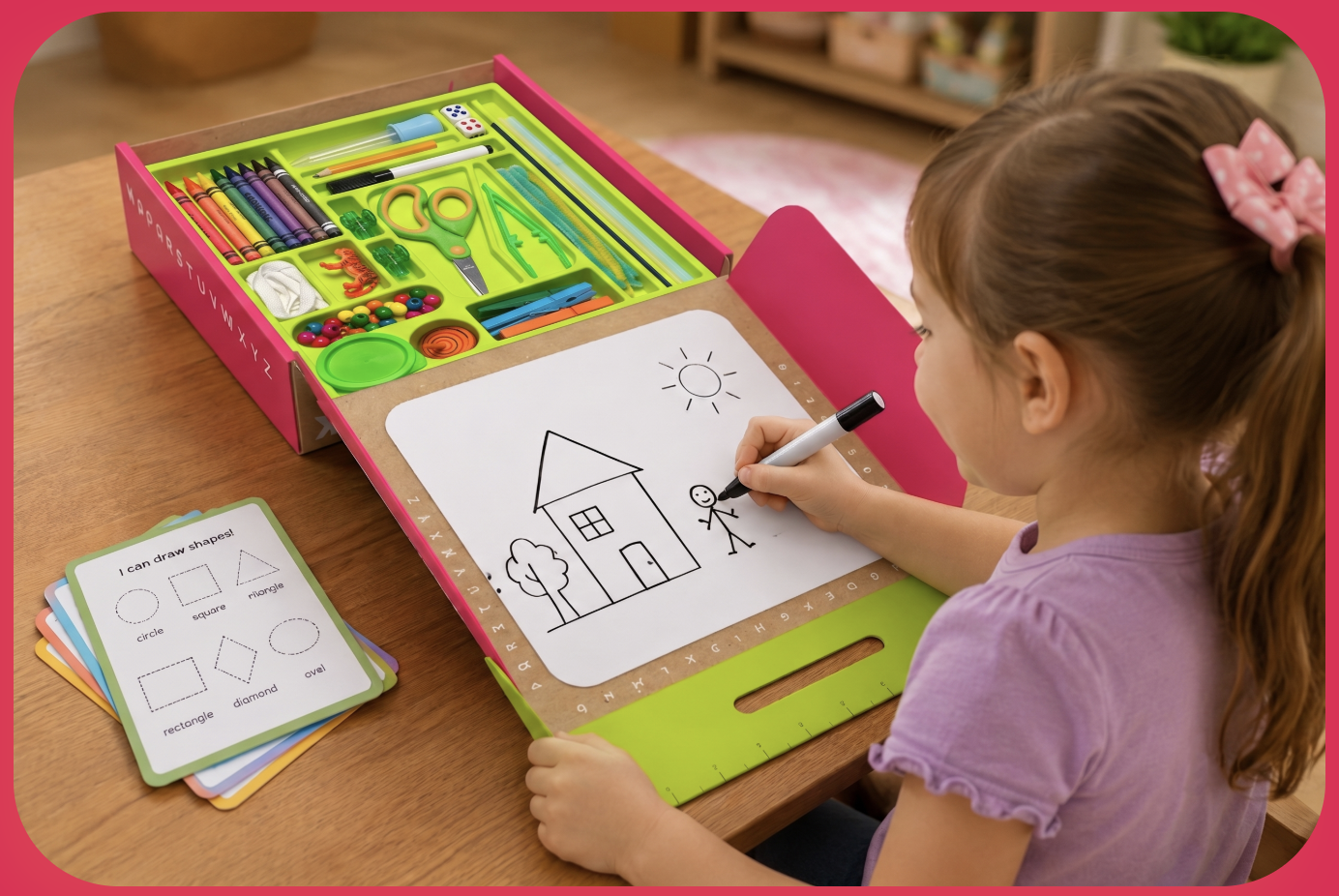
In many ways, this philosophy is what inspired me to create My First Desk.
Years ago, I wasn't trying to invent a product. I was trying to solve a problem. I wanted families to have simple, research-based activities they could do at home that supported all of the skills children need before kindergarten. Not just letters and numbers, but fine motor skills, early writing, language, executive functioning, problem solving, creativity, and play.
Today, My First Desk brings those developmental experiences together in one place. Every activity was intentionally designed to strengthen the skills that support literacy while keeping learning playful, engaging, and achievable for families.
Because literacy is not just about teaching children to read.
It is about giving them the developmental foundation they need to become confident learners.
When we nurture the whole child, we nurture literacy. And when we invest in literacy from the very beginning, we give children one of the greatest gifts we can offer: the opportunity to thrive.